Picture a razor-thin shaving curling off a cedar board like a whisper — that’s what the right Japanese hand plane feels like. If you’ve been wrestling with tear-out, blade chatter, or planes that need constant fussing, you already know the frustration. You’re close to solving it, and the seven picks ahead make that decision surprisingly straightforward.
| KAKURI Large Japanese Hand Plane for Woodworking |  | Best Overall | Blade Width: 58 mm (2.28 in) | Blade Material: Aogami Blue Steel #2, laminated with soft iron | Body Material: Japanese white oak | VIEW LATEST PRICE | Read Our Analysis |
| KAKURI Large Japanese Hand Plane for Woodworking |  | Premium Large Plane | Blade Width: 60 mm (2.36 in) | Blade Material: Japanese high-carbon steel, laminated with soft iron | Body Material: Japanese white oak | VIEW LATEST PRICE | Read Our Analysis |
| KAKURI Japanese Hand Plane 42mm Woodworking Tool |  | Best For Beginners | Blade Width: 42 mm (1.65 in) | Blade Material: Japanese high-carbon steel, mono-steel | Body Material: ECO oak (core-area oak) | VIEW LATEST PRICE | Read Our Analysis |
| KAKURI Adjustable Chamfer Plane for Woodworking (Made in Japan) | 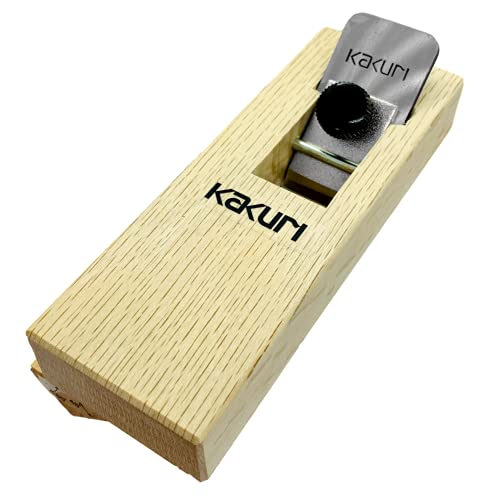 | Best Chamfering Plane | Blade Width: Not specified (cutting width 2.3 in) | Blade Material: Japanese high-carbon steel | Body Material: Japanese white oak | VIEW LATEST PRICE | Read Our Analysis |
| SUIZAN Kanna Japanese Wood Hand Planer 1.7 |  | Most Popular | Blade Width: 42 mm (1.7 in) | Blade Material: Japanese steel | Body Material: Beech wood | VIEW LATEST PRICE | Read Our Analysis |
| Mini Japanese Hand Planer for DIY Woodworking |  | Best Budget Pick | Blade Width: 1.11 in or 1.9 in (three size variants) | Blade Material: Alloy steel, precision-ground | Body Material: Ebony wood | VIEW LATEST PRICE | Read Our Analysis |
| Senkichi Japanese Mini Hand Plane for Woodworking |  | Best Mini Plane | Blade Width: 40 mm (1.6 in) | Blade Material: High-carbon steel, hardened | Body Material: Not specified | VIEW LATEST PRICE | Read Our Analysis |
More Details on Our Top Picks
KAKURI Large Japanese Hand Plane for Woodworking
If you’re tired of fighting tear-out on figured grain, KAKURI’s 58 mm plane stands as the top all-around pick here. The Aogami Blue Steel #2 blade holds an edge longer than most Western equivalents, and that laminated soft-iron backing means sharpening on a whetstone won’t feel like a chore. Obviously, Japanese planes pull toward you — different muscle memory, but you’ll adjust fast. The white oak body feels solid without being clunky at 31 ounces. Here’s the thing: that 50 mm cut width handles most furniture and joinery work comfortably. If you want one plane that genuinely does the job, this is it.
- Blade Width:58 mm (2.28 in)
- Blade Material:Aogami Blue Steel #2, laminated with soft iron
- Body Material:Japanese white oak
- Blade Design:Single blade, two-layer laminated
- Dimensions:10 × 2.8 × 2.7 in
- Origin:Made in Japan
- Additional Feature:Aogami Blue Steel #2
- Additional Feature:58mm / 50mm cut width
- Additional Feature:White oak body
KAKURI Large Japanese Hand Plane for Woodworking
Working large panels and wide boards demands a premium large plane that won’t wobble or chatter mid-stroke. The KAKURI 60mm delivers exactly that. You’re getting a white oak body, a laminated high-carbon steel blade, and a two-blade chipbreaker setup that genuinely prevents tear-out. All right, here’s what matters: it weighs nearly two pounds, so you feel it working with you, not against you. The pull-stroke design means less muscle, more control. Now, it ships sharp and ready. If you’re flattening wide stock regularly, this one’s your workhorse. Stop overthinking it — just grab it.
- Blade Width:60 mm (2.36 in)
- Blade Material:Japanese high-carbon steel, laminated with soft iron
- Body Material:Japanese white oak
- Blade Design:Two-blade with chipbreaker
- Dimensions:10.1 × 2.9 × 2.7 in
- Origin:Made in Japan
- Additional Feature:Chipbreaker reduces splitting
- Additional Feature:Cast iron blade base
- Additional Feature:Includes English instructions
KAKURI Japanese Hand Plane 42mm Woodworking Tool
Starting out with woodworking, you want something forgiving — and the KAKURI 42mm KANNA block plane is exactly that. Here’s the thing: it’s compact, lightweight, and made specifically for detail work, chamfering, and smoothing without overwhelming you. The oak body keeps handling comfortable, while the Japanese high-carbon steel blade arrives pre-sharpened. You’ll still need minor hammer adjustments before cutting, but that’s standard. The chipbreaker prevents splitting — obviously a win if you’re working with temperamental grain. If you want an authentic Japanese pull-plane experience without the intimidating learning curve, this one’s genuinely built for you.
- Blade Width:42 mm (1.65 in)
- Blade Material:Japanese high-carbon steel, mono-steel
- Body Material:ECO oak (core-area oak)
- Blade Design:Two-blade with chipbreaker
- Dimensions:5.9 × 2.1 × 1.6 in
- Origin:Made in Japan
- Additional Feature:#1 ranked Japanese Planes
- Additional Feature:Hammer blade adjustment
- Additional Feature:Lightweight ECO oak body
KAKURI Adjustable Chamfer Plane for Woodworking (Made in Japan)
Chamfering edges well is where the KAKURI P‑150C quietly separates itself from the pack. You’ve probably wrestled with fixed-angle planes that lock you into one bevel and nothing else. Frustrating, right? Here’s the thing — this one adjusts to 30°, 45°, or 60°, so you’re not buying three tools. The screw-driven blade adjustment means no hammering, no guesswork. You just dial it in. The double-blade chipbreaker setup genuinely reduces tear-out, which you’ll appreciate on tricky grain. White oak body, Japanese high-carbon steel blade — it’s built to last. If you’re chamfering regularly, this one’s obviously for you.
- Blade Width:Not specified (cutting width 2.3 in)
- Blade Material:Japanese high-carbon steel
- Body Material:Japanese white oak
- Blade Design:Double-blade with chipbreaker
- Dimensions:5.9 × 2.3 × 2.2 in
- Origin:Made in Japan
- Additional Feature:30°, 45°, 60° angles
- Additional Feature:Screw-adjusted, no hammer
- Additional Feature:Dedicated chamfer function
SUIZAN Kanna Japanese Wood Hand Planer 1.7
Compact and most popular among beginners, the SUIZAN Kanna packs serious capability into a tiny frame. You’re probably overwhelmed by options, so here’s the thing — this little 0.40 lb plane cuts that noise immediately. Its 42 mm Japanese steel blade handles smoothing and finishing without dragging you into complicated setup rituals. Now, the pull-stroke technique feels backwards initially, but you’ll adapt faster than you’d expect. Obviously, it won’t replace a full-size plane on massive stock. But if you want clean, smooth surfaces without obsessive sanding, this one’s genuinely made for you. At this price point, honestly, just buy it.
- Blade Width:42 mm (1.7 in)
- Blade Material:Japanese steel
- Body Material:Beech wood
- Blade Design:Single blade
- Dimensions:5.9 × 2.2 × 1.6 in
- Origin:Made in Japan
- Additional Feature:Beech wood base
- Additional Feature:Ultra-lightweight (0.40 lb)
- Additional Feature:Eliminates sanding need
Mini Japanese Hand Planer for DIY Woodworking
If you’re a DIY woodworker hunting for a wallet-friendly entry into Japanese pull-planes, this LIXINDEE mini planer’s your shortcut. Three sizes mean you’re not locked into one job — grab the compact 4-inch for tight drawer adjustments or step up to the 9.6-inch for flattening tabletops and cutting boards. Here’s the thing: the 1/8-inch alloy steel blade stays sharp longer than you’d expect at this price. The ebony body feels genuinely solid, not toyish. Obviously, it’s manual-only. Now, if you want beginner-friendly, ergonomic, and actually useful, this one’s confidently worth grabbing.
- Blade Width:1.11 in or 1.9 in (three size variants)
- Blade Material:Alloy steel, precision-ground
- Body Material:Ebony wood
- Blade Design:Single blade
- Dimensions:Three variants: 4.125×2.5×1.1 in, 7.125×2.5×1.1 in, 9.6×2.6×1.3 in
- Origin:Not specified
- Additional Feature:Three size variants available
- Additional Feature:1/8 in. alloy steel blade
- Additional Feature:Ebony wood body
Senkichi Japanese Mini Hand Plane for Woodworking
You’re hunting for a mini plane that actually handles tight-corner detail work without fighting you — and the Senkichi’s compact, pull-style design makes it the go-to choice for that job. Obviously, size matters here. At 40mm wide and 150mm long, this thing fits where full-size planes simply can’t. Here’s the thing — the high-carbon steel double blade with chip breaker delivers genuinely thin, clean shavings once you dial in the adjustment. It’s made in Japan, so the craftsmanship holds up. This one’s for you if you’re doing hobby finishing, edge cleanup, or precise chamfering and want reliable control without hauling out a larger tool.
- Blade Width:40 mm (1.6 in)
- Blade Material:High-carbon steel, hardened
- Body Material:Not specified
- Blade Design:Double-blade with chipbreaker
- Dimensions:5.9 in body length
- Origin:Made in Japan
- Additional Feature:40mm compact blade
- Additional Feature:220g total weight
- Additional Feature:Fine trimming specialty
Factors to Consider When Choosing a Japanese Hand Plane
Picking the right Japanese hand plane can feel overwhelming when you’re staring down a wall of options with unfamiliar specs and no clear starting point. Here’s the thing — blade steel quality, plane width, body wood type, adjustability, and your current skill level all play into whether a plane becomes your favorite shop tool or an expensive paperweight. Get those five factors dialed in, and you’ll buy with confidence instead of just hoping for the best.
Blade Material Quality
When it comes to Japanese hand planes, the blade material isn’t just a spec on the box — it’s the whole ballgame. You’ve probably stared at listings wondering why prices jump so dramatically. Here’s the thing — Aogami, or Blue Steel, is why. It holds a razor-sharp 15–20° edge far longer than cheaper alternatives, which means fewer interruptions mid-project.
Now, laminated blades pair that hard Aogami core with soft-iron backing, giving you flexibility without cracking risk during aggressive cuts. Obviously, mono-steel sharpens faster, but it wears quicker — real trade-off there.
For fine woodworking, you want laminated. For occasional use, mono-steel works fine. Blade thickness around 3mm keeps things durable yet responsive. Choose based on how hard you’ll actually push it.
Plane Size and Width
Size matters here — and before you roll your eyes at that, hear me out, because picking the wrong plane width is one of those frustrating mistakes that sends you back to the store. Obviously, wider blades — think 58 to 60 mm — cover more surface per stroke, so you’re doing less work on broad panels. Now, here’s the thing: a 58 mm blade typically cuts around 50 mm wide, not the full blade width. Smaller blades, around 42 mm, give you tighter control for edges and corners. All right, but there’s a real trade-off — larger planes carry more weight, demanding more hand pressure. Match your blade width to your workpiece, and suddenly every decision after this gets considerably easier.
Body Wood Type
Once you’ve nailed down the right blade width, the body wood holding that blade becomes your next real decision — and honestly, it’s one most buyers completely overlook. Here’s the thing: wood type directly affects how stable, light, and durable your plane actually feels mid-stroke. Japanese white oak is the gold standard — it’s dense, naturally oily, dampens vibration, and shrugs off moisture absorption beautifully. Now, if you’re doing fine, detailed work and fatigue is your frustration, softer woods like beech keep things lighter without sacrificing much. Obviously, grain matters too — straight-grained hardwood resists warping far longer. Seasoned wood around 12% moisture content keeps your blade aligned cut after cut. Pick the body that matches how you actually work, and you’ll never second-guess it.
Adjustability and Precision
How much of your frustration mid-project comes down to losing control of your blade depth after just a few passes? Yeah, that’s the adjustability problem nobody warns you about.
Here’s the thing — you want a plane with a blade-adjustment knob and calibrated scale, ideally hitting 0.01 mm depth control. That’s not overkill; that’s consistency. Look for screw or lever mechanisms offering 0.5° bevel increments so your angled cuts stay honest.
Now, double-blade designs with chip-breakers aren’t just fancy extras — they genuinely help you nail lateral positioning without guesswork. Integrated reference marks on the sole mean you’re verifying setup before each pass, not after ruining a board.
Obviously, none of this matters if the body warps. Japanese white oak keeps everything aligned long-term. Choose precision-built, choose confidently.
Skill Level Suitability
If you’ve ever picked up a plane that felt like it was fighting you the whole time, that’s not a skill gap — that’s a mismatch between tool and user.
Here’s the thing: beginners genuinely do better starting with a lightweight, compact plane around 0.4 lb. Less fatigue, more control. Intermediate woodworkers? You’re ready for a dual-hand grip plane near 0.9 lb — balanced enough for aggressive material removal without punishing you. Advanced folks gravitate toward heavier oak-body planes around 2 lb, where that stability rewards precision shaving.
Now, pull-type Japanese planes require less downward force, making them forgiving across all skill levels. Obviously, chip-breaker designs reduce tear-out, which saves beginners from a lot of frustrating early mistakes.
Match the plane to where you actually are — not where you hope to be.

Welcome to WoodCraftYard.com, your one-stop destination for all things woodworking! I’m Oliver Candler, a dedicated woodworking aficionado and the creative mind behind this virtual woodworking haven. With a deep-rooted love for craftsmanship and a keen eye for detail, I am on a mission to share my passion for woodworking with fellow enthusiasts like yourself.
As a seasoned woodworker, I am committed to providing you with valuable insights, practical tips, and inspiring project ideas to help you unleash your creativity and master the art of woodworking. Whether you’re a seasoned pro or just starting out on your woodworking journey, join me as we carve, sand, and saw our way through the world of woodworking together.
Let’s embark on this woodworking adventure, where every knot, grain, and finish tells a unique story. Together, let’s craft, create, and build something truly extraordinary at WoodCraftYard.com!