There’s a theory that any 10-inch blade will do the job — and honestly, that’s true until it isn’t. You’ve probably already ruined a sheet of plywood or left tearout on a piece you can’t replace, and now you’re done guessing. The right blade changes everything, and you’re about to find out exactly which one belongs on your saw.
| Diablo Fine Finish Wood Saw Blade (D1060X) |  | Best Overall | Tooth Count: 60 teeth (Hi-ATB) | Kerf Width: 0.098 in (thin kerf) | Best Use: Fine finish cuts on hardwood, veneer plywood, molding, melamine | VIEW LATEST PRICE | Read Our Analysis |
| WEN BL1060 10-Inch 60-Tooth Woodworking Saw Blade | 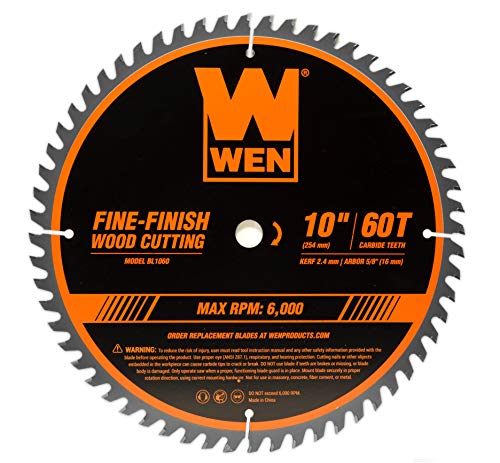 | Budget-Friendly Pick | Tooth Count: 60 teeth (carbide-tipped) | Kerf Width: 0.10 in / 2.4 mm (ultra-thin kerf) | Best Use: Fine finish cuts on hard and softwoods (pine, oak, maple, walnut, etc.) | VIEW LATEST PRICE | Read Our Analysis |
| Freud LU80R010: 10″ Ultimate Plywood & Melamine Blade |  | Best For Plywood | Tooth Count: 80 teeth (Hi-ATB) | Kerf Width: 0.126 in (standard kerf) | Best Use: Splinter-free cuts on plywood, melamine, laminates, hardwood molding | VIEW LATEST PRICE | Read Our Analysis |
| FOXBC 10-Inch 80-Tooth Table Saw Blade |  | Best High-Tooth Value | Tooth Count: 80 teeth (tungsten carbide) | Kerf Width: 0.098 in (thin kerf) | Best Use: Smooth crosscuts on oak, pine, melamine, plywood, moulding | VIEW LATEST PRICE | Read Our Analysis |
| AvantiPro Fine Finish Saw Blades 10″ 2-Pack |  | Best Multi-Pack | Tooth Count: 60 teeth (carbide-tipped) | Kerf Width: Not specified | Best Use: Fine finish cuts on wood, plywood, laminates | VIEW LATEST PRICE | Read Our Analysis |
| Freud LU83R010 Industrial 10-in 50T Thin Kerf Combination Saw Blade | 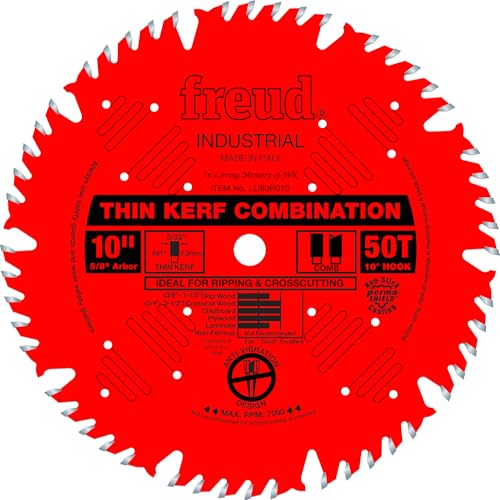 | Best Combination Blade | Tooth Count: 50 teeth (combination layout) | Kerf Width: 0.07 in (thin kerf) | Best Use: Ripping and crosscutting hardwoods, softwoods, plywood, chipboard, composites | VIEW LATEST PRICE | Read Our Analysis |
| CMT ITK Xtreme Industrial Combination Saw Blade 10-Inch |  | Professional Grade | Tooth Count: 50 teeth (4 ATB + 1 flat grind) | Kerf Width: 0.098 in (thin kerf) | Best Use: Ripping and crosscutting lumber, plywood, composites, engineered wood | VIEW LATEST PRICE | Read Our Analysis |
More Details on Our Top Picks
Diablo Fine Finish Wood Saw Blade (D1060X)
If you’re chasing glass-smooth cuts, the Diablo D1060X tops every serious woodworker’s short list. Here’s the thing — blowout on oak or veneer plywood isn’t just annoying, it’s expensive. Sixty Hi-ATB teeth fix that fast. The .098-inch thin kerf wastes less material and feeds cleaner than thicker blades you’ve probably fought before. TiCo carbide stays sharp four times longer than standard carbide, so you’re not resharpening constantly. Perma-SHIELD coating handles heat and gumming without complaint. Obviously, it fits your table saw, miter saw, or chop saw. This one’s for you if smooth, consistent results matter more than saving twenty bucks.
- Tooth Count:60 teeth (Hi-ATB)
- Kerf Width:0.098 in (thin kerf)
- Best Use:Fine finish cuts on hardwood, veneer plywood, molding, melamine
- Arbor Size:5/8 in
- Protective Coating:Perma-SHIELD non-stick coating (resists heat, corrosion, gumming)
- Vibration Control:Laser-cut stabilizer vents reduce noise, vibration, friction, and warpage
- Additional Feature:TiCo Hi-Density carbide
- Additional Feature:Tri-metal brazed tips
- Additional Feature:Limited Lifetime Warranty
WEN BL1060 10-Inch 60-Tooth Woodworking Saw Blade
Tight on budget, the WEN BL1060 is a fine-finish blade that quietly punches above its price. You’re not spending Diablo money here, and honestly, you don’t always need to. Here’s the thing — sixty carbide-tipped teeth, an ultra-thin 2.4mm kerf, and a protective coating resisting heat, rust, and resin buildup? That’s a serious spec sheet for the price. It fits your miter saw, jobsite saw, or table saw, handles pine, oak, walnut, and maple without complaint, and runs safely up to 6000 RPM. If you’re a hobbyist wanting clean cuts without wincing at your receipt, this one’s obviously yours.
- Tooth Count:60 teeth (carbide-tipped)
- Kerf Width:0.10 in / 2.4 mm (ultra-thin kerf)
- Best Use:Fine finish cuts on hard and softwoods (pine, oak, maple, walnut, etc.)
- Arbor Size:5/8 in (15.88 mm)
- Protective Coating:Unnamed protective coating (resists heat, rust, corrosion, gumming, resin)
- Vibration Control:Heat-expansion slots reduce vibration
- Additional Feature:6000 RPM rated
- Additional Feature:Fits major brand saws
- Additional Feature:30-day return guarantee
Freud LU80R010: 10″ Ultimate Plywood & Melamine Blade
Working with plywood for table saw cuts demands an 80-tooth Hi-ATB blade that won’t splinter your expensive sheet goods. You’ve probably ruined a panel before — that moment stings. Here’s the thing: Freud’s LU80R010 exists specifically for that frustration. The Hi-ATB geometry slices veneer and melamine cleanly, while laser-cut anti-vibration slots keep your cuts crisp without chatter. Perma-Shield coating reduces drag, fights pitch buildup, and extends blade life. The .126″ kerf removes material efficiently without overworking your saw. This one’s for you if you’re regularly cutting plywood, laminates, or melamine countertops. Honestly, just buy it.
- Tooth Count:80 teeth (Hi-ATB)
- Kerf Width:0.126 in (standard kerf)
- Best Use:Splinter-free cuts on plywood, melamine, laminates, hardwood molding
- Arbor Size:5/8 in
- Protective Coating:Perma-Shield non-stick coating (reduces drag, resists corrosion, prevents pitch buildup)
- Vibration Control:Laser-cut anti-vibration slots reduce vibration, extend blade life
- Additional Feature:80 Hi-ATB teeth
- Additional Feature:Replaces Freud F810
- Additional Feature:2° hook angle
FOXBC 10-Inch 80-Tooth Table Saw Blade
Crosscutters chasing high-tooth-count value without the premium price tag — this blade’s got your name on it. FOXBC packs 80 tungsten carbide teeth onto a 0.098-inch kerf blade that punches well above its price bracket. You’re getting clean crosscuts through oak, pine, melamine, and plywood without the tearout frustration. Here’s the thing — it fits your DeWalt, Makita, Metabo, or Skil without adapter headaches. Obviously, it’s not a Freud. But if you’re running weekend projects and want smooth, quiet cuts without refinancing your shop budget, this blade makes the decision embarrassingly easy. Grab it.
- Tooth Count:80 teeth (tungsten carbide)
- Kerf Width:0.098 in (thin kerf)
- Best Use:Smooth crosscuts on oak, pine, melamine, plywood, moulding
- Arbor Size:5/8 in
- Protective Coating:Not specified
- Vibration Control:Plate design reduces vibration and noise
- Additional Feature:Tungsten carbide material
- Additional Feature:Fits DeWalt/Makita/Metabo
- Additional Feature:80-tooth ultra finish
AvantiPro Fine Finish Saw Blades 10″ 2-Pack
If you’re tired of burning through single blades mid-project, this two-pack deal from AvantiPro by Freud’s got you covered. Here’s the thing — 60 carbide-tipped teeth mean you’re getting genuinely smooth, splinter-free cuts through plywood, laminates, and hardwood without constantly babying your workpiece. The laser-cut stabilizer vents keep vibration and heat down, which your ears and your wood grain will both appreciate. Obviously, 6000 RPM max fits most standard table saws cleanly. This one’s for you if you value having a backup blade ready before you need one. Smart buy, zero drama.
- Tooth Count:60 teeth (carbide-tipped)
- Kerf Width:Not specified
- Best Use:Fine finish cuts on wood, plywood, laminates
- Arbor Size:5/8 in
- Protective Coating:Not specified
- Vibration Control:Laser-cut stabilizer vents minimize vibration, noise, and heat buildup
- Additional Feature:2-blade value pack
- Additional Feature:6000 RPM max
- Additional Feature:By Freud-Diablo brand
Freud LU83R010 Industrial 10-in 50T Thin Kerf Combination Saw Blade
Woodworkers who rip and crosscut — without swapping blades every five minutes — finally have their blade in the Freud LU83R010. Here’s the thing: combination blades usually compromise somewhere. This one doesn’t. The alternating flat-top and ATB tooth layout handles both cuts cleanly, while large gullets clear chips fast so you’re not fighting the wood. Thin kerf means less amp draw — perfect if your saw runs under three horsepower. The Perma-Shield coating keeps pitch from gunking up mid-project. Obviously, one blade doing everything sounds too good. It isn’t. If you’re tired of overthinking blade swaps, just grab this one.
- Tooth Count:50 teeth (combination layout)
- Kerf Width:0.07 in (thin kerf)
- Best Use:Ripping and crosscutting hardwoods, softwoods, plywood, chipboard, composites
- Arbor Size:5/8 in
- Protective Coating:Perma-Shield non-stick coating (minimizes drag, resists corrosion, prevents pitch buildup)
- Vibration Control:Anti-vibration slots reduce chatter, lateral movement, and noise
- Additional Feature:Rip/crosscut combination
- Additional Feature:No stabilizers required
- Additional Feature:Large chip-clearing gullets
CMT ITK Xtreme Industrial Combination Saw Blade 10-Inch
You want a professional-grade blade that doesn’t force you to choose between ripping and crosscutting every time you swap a board. Here’s the thing — the CMT ITK Xtreme handles both without apology. Its 50-tooth, 4 ATB plus flat-grind configuration covers general woodworking beautifully. The thin 0.098-inch kerf reduces strain on underpowered saws, and those large gullets clear chips fast during deep cuts. Micrograin carbide teeth stay sharp through plywood, melamine, laminates, and chipboard. Laser-cut expansion slots kill vibration and noise. Obviously, it’s not cheap, but it’s resharpeable. This one’s for you if you want one dependable blade doing everything confidently.
- Tooth Count:50 teeth (4 ATB + 1 flat grind)
- Kerf Width:0.098 in (thin kerf)
- Best Use:Ripping and crosscutting lumber, plywood, composites, engineered wood
- Arbor Size:5/8 in
- Protective Coating:No coating specified; tri-metal brazing (copper-silver-copper) for carbide bonding
- Vibration Control:Laser-cut expansion slots reduce noise and anti-vibration
- Additional Feature:Tri-metal silver brazing
- Additional Feature:Anti-kickback design
- Additional Feature:Includes plastic case
Factors to Consider When Choosing 10-Inch Table Saw Blades
Picking the wrong blade doesn’t just slow you down — it ruins your cut, burns your wood, and leaves you frustrated in the middle of a project you actually cared about. Here’s the thing: tooth count, kerf width, carbide quality, blade coating, and saw compatibility all sound like specs on a boring data sheet, but each one quietly determines whether your cuts are clean and effortless or rough and exhausting. Get these five factors dialed in before you buy, and you’ll stop second-guessing every rip cut and crosscut you make.
Tooth Count Matters
When it comes to table saw blades, tooth count is one of those specs that looks simple but quietly controls everything about your cut quality, your feed speed, and how much sanding you’ll be doing afterward. Here’s the thing — more teeth isn’t always better. If you’re ripping lumber fast, a 24–40 tooth blade clears chips efficiently and keeps things moving. Now, if you’re cutting plywood, melamine, or hardwood molding, bump up to 80–100 teeth and you’ll eliminate tear-out almost entirely. For general woodworking, a 60–70 tooth blade hits that sweet spot. Obviously, your saw’s motor matters too — higher tooth counts create more friction, so underpowered saws struggle. Pick your tooth count based on what you actually cut most.
Kerf Width Considerations
Tooth count gets you halfway there, but kerf width is the other half most buyers ignore until they’ve already made a frustrating purchase. Here’s the thing — a thin kerf blade around 0.098 inches removes less material, wastes less wood, and demands less from your motor. If you’re running a contractor saw, that matters enormously.
Now, thinner kerfs also generate less friction, so heat stays lower, your coating lasts longer, and tear-out on laminates or delicate hardwoods drops noticeably. Obviously, nothing’s perfect — go too thin without proper blade reinforcement and you’ll get chatter on harder stock.
All right, so what’s the move? Match kerf width to your saw’s horsepower and your typical material. Do that, and you’ll wonder why you ever hesitated.
Carbide Quality and Durability
Carbide quality is where cheap blades reveal themselves, and if you’ve ever watched a “budget-friendly” tooth chip mid-cut through oak, you already understand the frustration. Here’s the thing — not all carbide is created equal. You want micro-grain formulations with hardness ratings between 46-48 Rockwell, because finer grain means better edge retention and consistent cutting geometry over time. TiCo high-density blends stay sharp four times longer than standard carbide, which means fewer trips to the sharpener. Now, if you’re pushing high-speed cuts, look for Perma-Shield coated teeth — they resist heat, gumming, and corrosion. Running hardwoods aggressively? Tri-metal brazed tips absorb shock without breaking. Obviously, better carbide costs more upfront. But you’ll spend less replacing blades constantly. That math is easy.
Blade Coating Benefits
Blade coatings sound like a marketing gimmick until you’ve spent twenty minutes scraping pitch off an uncoated blade while your project sits half-finished on the bench. Here’s the thing — coatings like Perma-Shield actually earn their keep. They cut heat buildup by up to 30%, which means less warping during extended rips. They repel resin, stretching blade life two to four times longer than bare carbide. You’re also reducing motor strain by roughly 15%, so your saw works smarter. Running melamine or laminates? Coated blades resist gumming, delivering cleaner cuts with almost zero tearout cleanup. If humidity’s a factor in your shop, anti-corrosion treatments keep edges sharper longer. Obviously, coated blades cost slightly more — but the math strongly favors them.
Compatible Saw Types
Not every 10-inch blade fits every 10-inch saw, and that mismatch can cost you a ruined workpiece or a seized motor before you figure out why. Obviously, the arbor hole matters first — most 10-inch table and miter saws want a 5/8-inch bore, so confirm that before anything else.
Now, here’s the thing: your saw’s spindle speed changes everything. Standard 10-inch blades typically handle up to 6,000 RPM, which covers most contractor and cabinet saws comfortably. But radial-arm and combo units sometimes need specific adapters or mounting hardware that standard blades don’t include.
Also check your throat depth and fence clearance — a thicker kerf can bind in tighter setups. Match the blade to your actual saw, and choosing suddenly feels effortless.
Intended Material Applications
When the material changes, so does everything else about your blade choice — and getting this wrong is the fastest way to blow out a sheet of expensive melamine or leave a ragged, fuzzy edge on your cabinet-grade plywood. Here’s the thing: hardwoods and plywood need a 60–80 tooth blade to stay clean and splinter-free. Resin-rich materials like melamine? You’ll want a non-stick Perma-Shield coating — heat buildup is real. Now, if you’re ripping softwoods or composite panels, a combination tooth design handles cross-cuts while clearing chips efficiently. Thin-kerf blades around 0.098–0.126 inches shine on engineered wood, saving material and reducing motor strain. Match your hook angle to your grain direction, confirm that 5/8-inch arbor fit, and you’re basically done deciding.