You want clean, straight cuts with your jigsaw? Then you need a guide jig. Without one, you’re just guessing. But which one actually delivers? We’ve narrowed it down to three top contenders that balance precision, build quality, and real-world usability. Let’s look at what makes them stand out.
| Makita 192732-4 Rip Fence/Circular Guide | 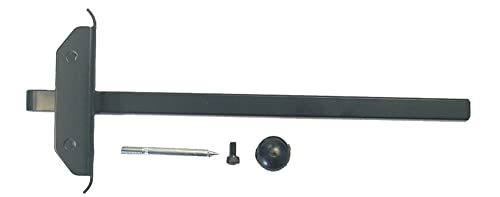 | Best Compatibility | Compatibility: Select Makita jig saw models (sold separately) | Cut Types Supported: Ripping and circular cuts | Weight: 4.96 ounces | VIEW LATEST PRICE | Read Our Analysis |
| Milescraft Universal Saw Guide 14in |  | Best Versatility | Compatibility: Most handheld circular and jig saws (universal base plate) | Cut Types Supported: Straight, angle, bevel, rip cuts; circles up to 24 inches | Weight: 16 ounces (approximately) | VIEW LATEST PRICE | Read Our Analysis |
| Bora Jigsaw Guide for Straight Cuts |  | Best Stability | Compatibility: Most jigsaws; integrates with WTX and NGX Clamp Edge systems | Cut Types Supported: Straight lines, circular cuts (360 degrees), 45-degree cuts, custom shapes | Weight: 0.27 grams (approximately) | VIEW LATEST PRICE | Read Our Analysis |
More Details on Our Top Picks
Makita 192732-4 Rip Fence/Circular Guide
If you’re a Makita jig saw owner chasing smoother cuts, this guide slots right into your workflow. It’s built for precise ripping and circular cuts, and the adjustment mechanism is quick, so you’re not fiddling mid-project. You’ll get accurate lines without breaking your rhythm.
The durable plastic body holds up, despite weighing just under five ounces. You’re looking at about 9.38 inches of width for guidance, which gives you solid control on standard stock. Set it up once, lock it down, and you’re ready to trace perfect arcs or straight rips. That’s efficiency you can feel.
Here’s what you’re getting:
- Fast, tool-free adjustments for on-the-fly changes.
- Compatibility with specific Makita models, so check yours first.
- A 4.2-star rating from over 650 users, meaning real folks like you trust it.
For a dedicated Makita setup, this one’s a no-brainer.
- Compatibility:Select Makita jig saw models (sold separately)
- Cut Types Supported:Ripping and circular cuts
- Weight:4.96 ounces
- Dimensions (Length x Width x Height):3.62 x 9.38 inches
- Construction Material:Durable plastic
- Adjustment Mechanism:Quick, easy adjustments for setup
- Additional Feature:Quick, easy adjustments
- Additional Feature:Moderate popularity ranking
- Additional Feature:Compatible with select Makita jigsaws
Milescraft Universal Saw Guide 14in
The Milescraft Universal Saw Guide 14in is made for anyone juggling circular saws and jigsaws. It transforms your handheld saw into a guided tool for straight, angle, bevel, and rip cuts, boosting your accuracy on large stock like plywood and MDF. Its universal base plate system fits most saws, and it handles both righties and lefties.
- Cuts straight edges up to 14 inches and circles up to 24 inches with a jigsaw.
- Reversible edge guide keeps you cutting continuously through material.
- Lightweight at 16 ounces easy to handle without fatigue.
You get a solid, repeatable cut every time, with no fuss.
- Compatibility:Most handheld circular and jig saws (universal base plate)
- Cut Types Supported:Straight, angle, bevel, rip cuts; circles up to 24 inches
- Weight:16 ounces (approximately)
- Dimensions (Length x Width x Height):12 x 6 x 1 inches
- Construction Material:Plastic, composites, or metals; high-speed steel blade
- Adjustment Mechanism:Reversible edge guide; flip attachment for circles
- Additional Feature:Cuts circles up to 24″
- Additional Feature:Reversible edge guide
- Additional Feature:Fits left/right-handed saws
Bora Jigsaw Guide for Straight Cuts
You’re after rock-solid stability for your jigsaw without breaking the bank, so the Bora Jigsaw Guide (model 542009) is your go-to. It locks into Bora’s WTX or NGX Clamp Edge systems using two tongue-and-groove points, so your tool won’t drift or twist mid-cut. You can slide it smoothly along the T-track for straight lines, or pivot it for 45-degree bevels and full 360-degree circles. A built-in screw clamp holds your jigsaw securely, reducing binding and stalling. Plus, the adjustable pointer keeps your cuts true every time.
Here’s what makes it shine:
- Stable design with dual locking points
- Smooth glide on Clamp Edge tracks
- Versatile cuts (straight, circular, angled)
Weighing just 0.27 grams and measuring 8.5 x 5.5 x 2 inches, it’s lightweight but tough. Just clean it after use and store it dry, and it’ll deliver precise results for years. A solid, affordable choice for any workshop!
- Compatibility:Most jigsaws; integrates with WTX and NGX Clamp Edge systems
- Cut Types Supported:Straight lines, circular cuts (360 degrees), 45-degree cuts, custom shapes
- Weight:0.27 grams (approximately)
- Dimensions (Length x Width x Height):8.5 x 5.5 x 2 inches
- Construction Material:High-speed steel blades; plastic or rubber handle
- Adjustment Mechanism:Adjustable sliding side and locking screw; adjustable pointer guide
- Additional Feature:Compatible with WTX/NGX systems
- Additional Feature:Built-in screw clamp
- Additional Feature:Cuts 45-degree angles
Factors to Consider When Choosing a Jigsaw Guide Jig

Before you buy a guide jig, you’ll need to check for compatibility with your specific saw model and the cut capacity range you’ll actually use. Build material quality matters a lot, since a flimsy frame can ruin your accuracy, while guide adjustment ease saves you from constant frustration. And don’t forget cut type versatility, you want a jig that handles both straight lines and gentle curves without needing a complete swap.
Compatibility With Saws
First, never assume a jigsaw guide fits your saw. Fitting mechanisms vary wildly between models and brands, so you’ve got to check compatibility upfront. Look for adjustable features that accommodate different jigsaw sizes and shapes, confirming a secure, snug fit. Your guide’s mounting system matters too. Whether it’s a tongue-and-groove design or a clamp-based setup, it must align with your saw’s build for easy attachment. And don’t overlook the cuts you’ll need. Confirm the guide supports straight, circular, or bevel cuts for versatile use. Finally, review manufacturer specs. Match your saw’s size, power, and blade configuration precisely. This prevents damage and ensures smooth operation. No shortcuts here!
Cut Capacity Range
Cut capacity range decides just how much material you can slice through with accuracy, so it’s the first number to check on any jigsaw guide. This measurement tells you the maximum size of your workpiece, often listed as length for straight cuts or diameter for circles. A larger range liberates bigger projects, letting you tackle thick planks or wide panels without hitting a frustrating limit.
- Look for length specs for ripping boards.
- Check diameter specs for precise circular cuts.
You’ll want a guide that matches your typical tasks. A narrow range holds you back when you’re ready to expand your shop’s possibilities. A wider capacity, though, gives you versatility for everything from intricate curves to long, straight slices. Choose a range that fits your biggest ambitions, not just today’s small jobs. That’s how you avoid limitations and keep your cuts pro-level every time.
Build Material Quality
Two key considerations drive build material quality in a jigsaw guide jig: longevity and precision. You want steel or durable plastics here. They’re wear resistant and corrosion proof, so your guide stays consistent cut after cut. Material strength directly impacts safety and accuracy; a flimsy jig wobbles, ruining your line. Lightweight yet sturdy options improve handling without sacrificing durability. That balance means you can maneuver easily while keeping rock solid alignment for smoother sliding and better cuts. Look for properly manufactured builds. They don’t flex under pressure, and their flat surfaces ensure your jigsaw tracks perfectly every time.
Guide Adjustment Ease
Unless you enjoy wrestling with your tools, you’ll want a jigsaw guide jig that makes adjustment a breeze. Look for a locking system that’s simple to operate, like a quick-release lever or a twist knob. This saves you time during repetitive cuts, letting you dial in new settings fast. A clearly marked measurement scale is your best friend here. It eliminates guesswork, so you can reposition the guide with repeatable precision every single time. And you’ll appreciate smooth, seamless adjustments that don’t bind or slip. That consistency keeps your cuts accurate from start to finish. Fine-tuning controls are essential too. They let you make tiny, precise tweaks without overshooting your mark. All this reduces frustration and cuts down on user error. The result? Clean, professional looking cuts without the hassle. Choose a jig that’s easy to adjust, and you’ll spend less time fussing and more time building.
Cut Type Versatility
Once you’ve got a jig that adjusts without a fight, the next big question is how many different cuts it can actually handle. You want a guide that supports straight, circular, bevel, and angle cuts without swapping tools. Look for a model that handles circular cuts up to at least 14 inches, or even 24 inches, for bigger projects. Features like adjustable pointers and reversible edge guides expand your options. Compatibility with various jigsaw models also boosts versatility, letting you tackle different woodworking applications. A guide with adjustable locking screws and sliding mechanisms accommodates diverse angles and shapes. That means you’re not stuck with one cut style. For example, you can switch from a precise bevel cut to a sweeping curve without breaking stride. That’s real cut type versatility in a single jig!
Weight And Portability
While straight cuts and bevels matter, your jigsaw guide’s weight and portability can make or break your workflow—especially if you’re moving between job sites or storing tools in tight spaces. Lighter guides, often under 1 pound, cut down on fatigue during long sessions. That’s a game changer when you’re making dozens of cuts. Portable designs are ideal for on-site work, letting you set up quickly without wrestling heavy equipment. Compact guides also stash easily in toolboxes or backpacks, so you can take them anywhere.
But don’t ignore the trade off. Heavier guides can feel more solid, but they’re a hassle to lug around. For flexibility, stick with lightweight, portable options. Here’s what to prioritize:
- Weight under 1 pound for easy handling.
- Compact size for tight storage.
- Quick setup for mobility.
You’ll stay nimble without sacrificing convenience. Pick portability, and you keep your workflow fast anywhere.
Stability And Precision
When you lock in a stable jigsaw guide, you’re setting yourself up for cuts that hit your mark every time. A guide that minimizes movement during operation reduces errors, keeping your blade on track. Look for high-quality models with secure locking mechanisms; they prevent drifting and twisting, whether you’re cutting straight lines or precise curves.
Heavier, durable materials offer better control, so don’t shy away from a bit of heft. Properly secured clamps or track systems are non-negotiable they hold the guide firmly in place. Precise adjustments and locking features let you dial in consistency for repeatable cuts. Because when your guide doesn’t wobble, neither does your cut. That’s the difference between a so-so job and a you’ll-never-believe-it’s-a-jigsaw finish!
Warranty And Support
Your guide is rock solid and your cuts are dead on, thanks to a stable setup. But what happens when something goes wrong? That’s where warranty and support step in. A manufacturer’s warranty protects against defects, and you’ll want clear terms covering duration and what’s included. Some guides offer limited warranties, so scope matters for your investment.
Customer support isn’t a luxury; it’s a lifeline. Need replacement parts or troubleshooting help? Reliable support gets you back on track fast. Look for:
- Warranty length: Two years is solid; lifetime is better.
- Coverage details: Does it include the guide rail or just the clamp?
- Support channels: Phone, email, or live chat? Quick response times count.
Don’t skip this step. A cheap guide with no backup isn’t a bargain.