It’s funny: you might think cutting steel requires a full workshop, but you can actually do it with a portable circular saw. The trick is sheer motor power and the right blade. Let’s look at five models that balance that force with precision and safety, so you’re not left with sparks and frustration.
| DEWALT 20V MAX XR Metal Cutting Circular Saw (DCS383B) |  | Most Powerful | Power Source: Cordless (20V MAX battery) | Blade Diameter: 7-1/4 inches | Motor Power: 1,400 MWO (brushless motor) | VIEW LATEST PRICE | Read Our Analysis |
| SKILSAW OUTLAW SPT78MMC-01 15 Amp 8 In. Worm Drive Metal Cutting Saw |  | Top Torque | Power Source: Corded (120V AC) | Blade Diameter: 8 inches | Motor Power: 15 amps, 1800 watts | VIEW LATEST PRICE | Read Our Analysis |
| Evolution S185CCSL 7.25″ Metal Cutting Circular Saw | 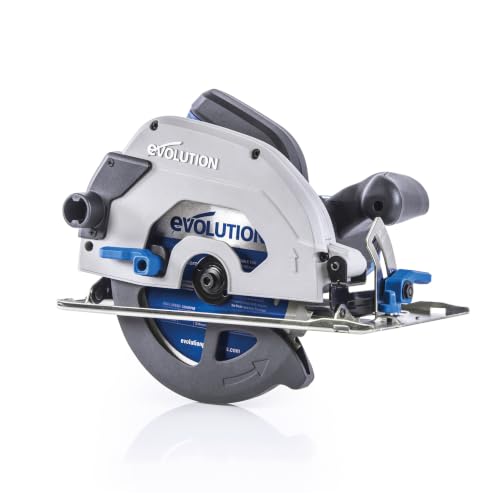 | Best Value | Power Source: Corded (120V AC) | Blade Diameter: 7-1/4 inches | Motor Power: 15 amps, 1800 watts | VIEW LATEST PRICE | Read Our Analysis |
| Evolution Power Tools R185CCS Multi-Material Circular Saw |  | Most Versatile | Power Source: Corded (120V AC) | Blade Diameter: 7-1/4 inches | Motor Power: 15 amps, 1200 watts | VIEW LATEST PRICE | Read Our Analysis |
| Evolution S210CCS Metal Cutting Circular Saw | 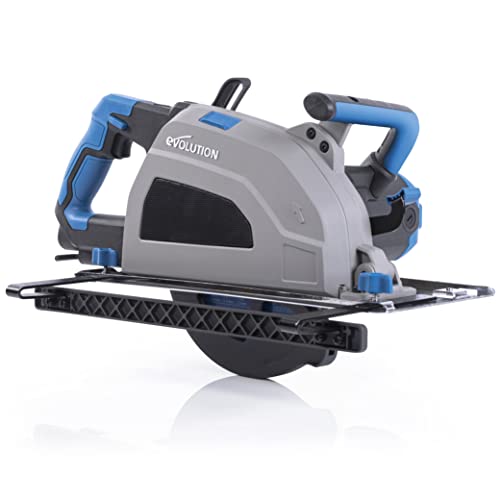 | Professional Grade | Power Source: Corded (AC) | Blade Diameter: 8-1/4 inches | Motor Power: 1800 watts | VIEW LATEST PRICE | Read Our Analysis |
More Details on Our Top Picks
DEWALT 20V MAX XR Metal Cutting Circular Saw (DCS383B)
If you need to cut through thick metal studs or corrugated decking, this is the most powerful saw for you. The DCS383B delivers up to 1,400 MWO of raw cutting force, so you’ll slice through 20-gauge steel in seconds.
- Brushless motor: boosts runtime and reliability on the job.
- 2 5/8 inch depth of cut: handles a wide range of metal thicknesses.
- 48 tooth carbide blade: optimized for clean, fast cuts.
- Chip collector: keeps your workspace free of metal debris.
- Electronic brake: stops the blade in under 1 second for safety.
It also features Tool Connect+ for tracking your gear. And at 13.3 pounds, it’s surprisingly easy to handle.
- Power Source:Cordless (20V MAX battery)
- Blade Diameter:7-1/4 inches
- Motor Power:1,400 MWO (brushless motor)
- Blade Speed:Not specified
- Depth of Cut:2-5/8 inches
- Weight:13.3 pounds
- Additional Feature:Brushless motor technology
- Additional Feature:Tool Connect+ asset tracking
- Additional Feature:0.5-second electronic blade brake
SKILSAW OUTLAW SPT78MMC-01 15 Amp 8 In. Worm Drive Metal Cutting Saw
The SKILSAW OUTLAW SPT78MMC-01 is your best bet if you need to cut through steel all day without bogging down. Its worm drive gearing system delivers monstrous torque, so you’ll power through thick metal effortlessly. You get a 15 amp motor spinning a 40 tooth carbide tipped blade at 3900 rpm. That means burr free cuts with minimal sparks, perfect for fabrication work.
Plus, it’s built tough:
- Large chip tray holds 33% more debris, keeping your line of sight clear.
- Adjustable depth lets you dial in exact cutting depths.
- Ergonomic handles balance the 15.3 pound weight for all day comfort.
Don’t forget the blade window for visibility. You’ll appreciate the lever that raises the lower guard for plunge cuts too. And with a 4.7 star rating, it’s a crowd favorite.
- Power Source:Corded (120V AC)
- Blade Diameter:8 inches
- Motor Power:15 amps, 1800 watts
- Blade Speed:3900 RPM
- Depth of Cut:Adjustable (not specified)
- Weight:15.3 pounds
- Additional Feature:Worm drive gearing system
- Additional Feature:33% more chip capacity
- Additional Feature:Blade window for visibility
Evolution S185CCSL 7.25″ Metal Cutting Circular Saw
You’re after a saw that won’t break the bank but still chews through mild steel like it’s butter, so check out the Evolution S185CCSL. Its 15 amp motor hits 3700 RPM, delivering fast, cool cuts with minimal burrs. That 40-tooth TCT blade gives you ready to weld edges, no sparks flying around.
Weighing just 11.4 pounds, it’s light enough for overhead work all day. You can bevel up to 45 degrees and cut 2.5 inches deep. Plus, the blade viewing window and channeled airflow keep your cutline crystal clear. It’s UL certified with a 3 year warranty, too.
- Power Source:Corded (120V AC)
- Blade Diameter:7-1/4 inches
- Motor Power:15 amps, 1800 watts
- Blade Speed:3700 RPM
- Depth of Cut:2.5 inches
- Weight:13.1 pounds (11.4 lbs listed separately)
- Additional Feature:Channeled airflow cutline system
- Additional Feature:Spark-free dry-cut operation
- Additional Feature:Ready-to-weld edge cuts
Evolution Power Tools R185CCS Multi-Material Circular Saw
Looking for a single saw that handles steel, wood, and plastic without changing blades? The Evolution R185CCS is your answer. Its 20-tooth TCT blade glides through mild steel like butter, leaving clean, cool cuts with zero sparks or burrs. You’ll appreciate the electronic brake, stopping the blade in under four seconds, plus a guard that snaps shut in 0.3. The 1200W motor delivers 3700 RPM, so embedded nails won’t stop you. At just 9.4 pounds, you’ll stay comfortable on long jobs. It’s lightweight, safe, and versatile, backed by a 3-year warranty.
- Power Source:Corded (120V AC)
- Blade Diameter:7-1/4 inches
- Motor Power:15 amps, 1200 watts
- Blade Speed:3700 RPM
- Depth of Cut:Not specified
- Weight:9.4 pounds
- Additional Feature:Multi-material cutting capability
- Additional Feature:Square-shaped blade guard
- Additional Feature:0.3-second guard shut time
Evolution S210CCS Metal Cutting Circular Saw
If steel is your daily reality, not just an occasional material, the Evolution S210CCS is built for you. Its 1800-watt motor chews through 1/2-inch plate steel effortlessly, and the included 8-1/4″ TCT blade stays cool and burr-free. You’ll appreciate the adjustable 3-inch depth for precise plunge cuts, plus the LED line and parallel guide for accuracy.
- Safety first: electronic brake and trigger lock keep you in control.
- Cleanup’s a breeze: the chip collector holds more, and the quick-release latch speeds changes.
For welding, fabrication, or roofing, it’s a workhorse. You’ll cut aluminum and stainless too, all without heat distortion. Just remember, it’s AC-powered, so keep an outlet nearby.
- Power Source:Corded (AC)
- Blade Diameter:8-1/4 inches
- Motor Power:1800 watts
- Blade Speed:2800 RPM
- Depth of Cut:3 inches
- Weight:16 ounces (likely error in source)
- Additional Feature:LED cutline light
- Additional Feature:Full-length parallel edge guide
- Additional Feature:Quick-release chip collector latch
Factors to Consider When Choosing a Circular Saw for Steel Cutting
When you’re cutting steel, blade material selection is non-negotiable; you need a carbide-tipped or abrasive blade specifically rated for ferrous metal, or you’ll burn through standard wood blades in seconds. You also can’t ignore motor power output and cutting depth capacity, since a 15-amp motor paired with a 2-inch depth handles most steel stock, but don’t forget safety brake systems and chip management features, which stop the blade instantly and clear hot debris from your line of sight. So, focus on these five factors, and you’ll pick a saw that slices through steel without bogging down or kicking back.
Blade Material Selection
The blade you choose isn’t just an accessory; it’s the entire game when you’re slicing through steel. You’ll want carbide-tipped blades for most jobs; they hold their edge through brutal heat and friction without flinching. Go for 40 or more teeth, too, because that high count gives you smoother cuts and fewer burrs to grind off later. Tungsten carbide handles standard steel easily, but if you’re tackling seriously hard or abrasive stuff, diamond-tipped blades are your best friend. They cost more but laugh at wear. Don’t overlook blade thickness either; a thinner blade cuts faster but generates more heat, so match it to your material’s toughness. Pick smart, and you’ll glide through steel like butter.
Motor Power Output
One critical spec can make or break your steel cutting experience: motor power output. You need serious wattage here. For heavy duty steel, aim for at least 1800W (roughly 2.4 HP). Anything smaller than 1500W? That motor will struggle, slowing you down and risking overheating. You don’t want that.
Higher power delivers smoother, faster cuts through tough material. It also reduces blade wear and gives you more torque when you’re pushing through dense steel. That torque matters. It keeps the saw working efficiently without bogging down. So when you’re shopping, check the wattage first. Don’t compromise. A strong motor directly impacts your saw’s performance, safety, and durability. Pick one with enough muscle, and you’ll cut through steel like it’s butter.
Cutting Depth Capacity
Cutting depth capacity tells you exactly how thick a piece of steel you can slice through in one clean pass, and getting this wrong means frustrating multi-pass work or a saw that simply can’t handle your material.
You need a higher capacity for thicker plates or structural beams. Most saws offer an adjustable depth mechanism, so you can dial it in for each job. But remember: that maximum depth is measured at a 90 degree angle. Bevel cuts reduce that capacity, and you’ll lose a bit of your reach.
Safety Brake Systems
Four seconds is all it takes for a high quality safety brake to stop a spinning blade, and that fraction of a second can mean the difference between a close call and a serious injury. You’re cutting steel, sparks flying, and a kickback happens; you don’t have time to think. A quick-acting electronic brake shuts everything down in as little as 0.3 seconds, minimizing your exposure to moving parts. That’s not just comfort, it’s control. Look for a saw where stopping time stays under four seconds, especially in professional environments where every cut counts. This brake also protects you during startup and sudden power loss, keeping the tool predictable. Don’t skip this layer of safety; it’s the quiet guardian between you and a nasty incident.
Chip Management Features
That safety brake gives you peace of mind, but once the blade stops, the real work begins. You’ll need chip management features to keep that workspace clear and your cut line visible. Look for saws with chip collectors or trays that catch metal shavings, preventing debris buildup. Integrated removal systems clear those shavings fast, so you’re not stopping to sweep every few seconds. Proper chip management also extends your blade’s life by stopping overheating from packed-on debris. Advanced saws even include airflow vents that cool the cut area. For you, this means less cleanup, better visibility, and a blade that lasts longer. Don’t overlook these features; they’re what keep your steel cutting efficient and frustration-free.
Corded Vs Cordless
When you’re cutting through thick steel, power isn’t just a luxury, it’s a necessity. Corded saws deliver that no compromise, with motors cranking over 1800W for consistent, demanding steel cuts. You’ll never worry about fading power during extended work, and there’s no battery to recharge mid job. But corded doesn’t mean you’re chained to a wall outlet. A long extension cord gives you room to move, though you must watch for tripping hazards.
On the flip side, cordless saws offer unbeatable portability. You can cut steel on a rooftop or in a tight crawlspace where outlets don’t exist. Just be prepared: battery life drops as you cut, so plan for charging breaks or extra packs. For quick jobs in remote spots, cordless wins. For heavy duty, all day cutting, corded is your reliable workhorse. Choose based on where you’ll cut most.
Blade Tooth Count
The right blade tooth count can make or break your steel cutting experience. For clean, precise cuts with minimal burrs, you’ll want blades with 40 teeth or more. Fewer teeth? Sure, they cut faster, but you’ll get rougher edges and more heat buildup, which can warp thinner materials. Higher tooth counts handle detailed work and thinner steel beautifully, giving you that smooth finish. But there’s a trade off: those extra teeth mean slower cutting and more frequent sharpening or replacement. So match your tooth count to your task. Need a fast rough cut? Go lower. Want a polished edge on a thin sheet? Stick with 40 teeth or more. It’s all about balancing speed, smoothness, and blade lifespan.